Drowning in Slack: How to Stop Ping Burnout & Reclaim Focus
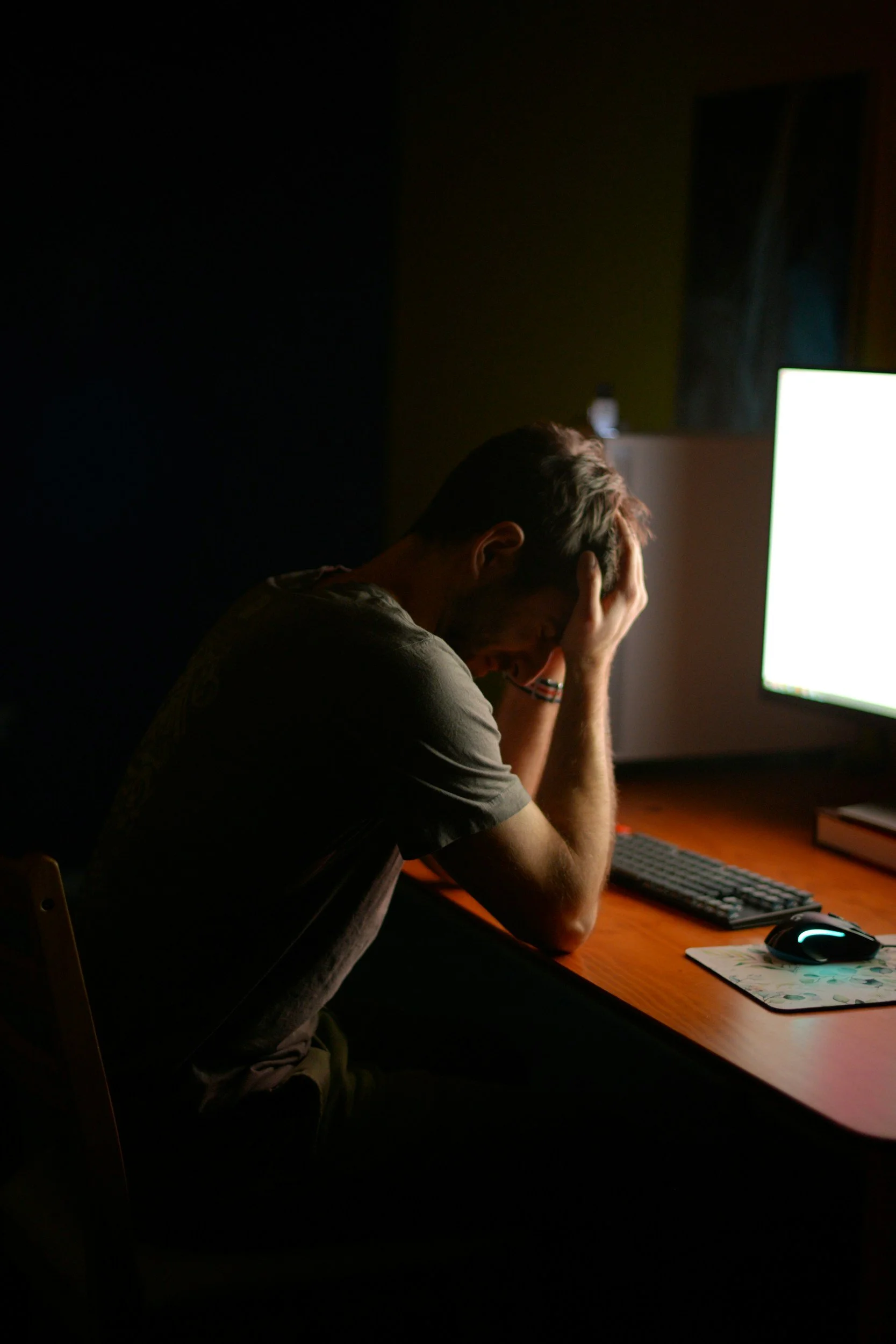
"My job looks fine on paper, yet every morning when I open my laptop to dozens of Slack channels, I feel a wave of dread."
My client, H., describes this as "walking into a room full of lasers." Constant pings trigger involuntary adrenaline spikes and hypervigilance, leaving her exhausted by the end of the day.
If this sounds familiar, you aren’t just tired. You are dealing with a highly recognized, modern workplace epidemic: Slack fatigue and ping burnout.
The Cognitive Tax of Technostress
Psychologists refer to this as "technostress" or "alert fatigue." Constant digital interruptions act as a cognitive tax; it takes an average of 23 minutes to regain deep focus after a single ping. This chronic overstimulation keeps the nervous system in a "fight-or-flight" loop, bleeding into personal lives and causing irritability and emotional withdrawal.
The Illusion of "More is Better" and the FOMO Trap
How did we get here? Many modern workplaces have fallen into the trap of believing that excessive communication equals high performance. In H’s experience, this manifested as an organizational culture obsessed with hyper-connectivity. Her company is attempting to build a sense of team closeness, implemented excessive and ultimately unproductive communication rituals. H found herself assigned to summarize every single virtual call and broadcast those summaries across a bloated web of overloaded Slack channels.
The Spillover: When Digital Stress Drains Real Life
The most insidious part of ping burnout is that your brain doesn't magically reset when you log off. The chronic overstimulation bleeds directly into your personal life.
For H, the cognitive overload resulted in severe emotional exhaustion:
Anhedonia: She felt too drained to participate in things that used to bring her joy, like dancing.
Heightened Reactivity: Even a casual mention of work by family members triggered tearfulness and anxiety.
Interpersonal Strain: Despite having a deeply supportive and caring parnter, the irritability and raw nerves from a day of digital overstimulation inevitably sparked unnecessary friction at home.
When your nervous system is spent defending itself against digital "lasers" all day, you are like a car running low on fuel and thus have nothing left for the people you love.
The Essentialist Antidote: Doing Less, But Better
To break free from this cycle, we have to entirely change our relationship with digital availability. In his book Essentialism: The Disciplined Pursuit of Less, Greg McKeown offers the ultimate antidote to the "more is better" corporate trap:
"Essentialism is not about how to get more things done; it's about how to get the right things done... It is about making the wisest possible investment of your time and energy in order to operate at our highest point of contribution by doing only what is essential."
Essentialists recognize that you cannot have multiple "priorities." You must acknowledge that practically everything is unimportant compared to the vital few.
Strategies for Digital Self-Defense
To survive the sea of pings, implement below strategies for digital self-defense.
Batch Communication: Instead of leaving communication apps open all day, check and respond to messages at designated intervals (e.g., morning, mid-day, and late afternoon).
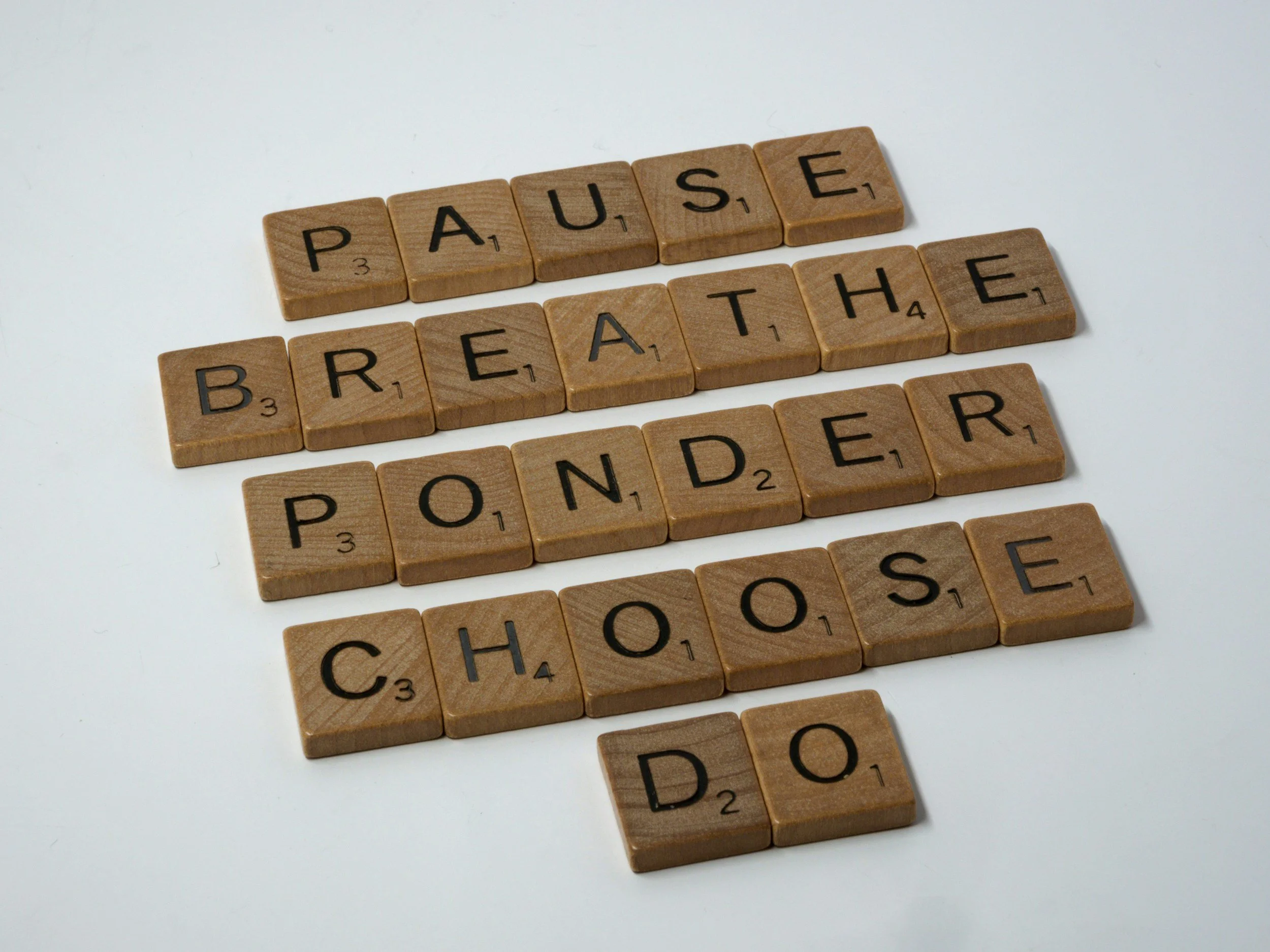
The Power of Pausing: Take a deep breath, pause five seconds before hitting reply. This brief gap helps you evaluate whether an immediate response is genuinely necessary, or just a knee-jerk reaction to digital noise.
Tier Your Channels: Categorize your slack channels into priority tiers: Red (urgent/direct), Yellow (soon), and Green (mute). Focus heavily on Red and Yellow, and treat Green (e.g. channel for posting your pet photos) as a low-priority spectator space to be checked strictly on your own terms.
Status Signaling: Use explicit status indicators (e.g., "Deep Work — Do Not Disturb") to clearly signal to your team that you are intentionally offline to focus on substantive tasks.
Normalize Asynchronous Delays: Train your network to expect thoughtful, delayed responses rather than instant, superficial replies.
Hard Digital Boundaries: Establish a firm "digital downtime"—a specific time when work apps are closed or strictly silenced on personal devices to ensure full psychological recovery.
Re-engage the Physical Body: When digital fatigue or brain fog sets in, use a "10-minute rule" to step completely away from screens. Physical movement actively pulls the nervous system out of a digital stress response
Final Thoughts
Reclaiming focus from digital noise is not a luxury; it is a prerequisite for high-performance and long-term professional sustainability. True collaboration is never about being continuously visible or infinitely available. It is about protecting the cognitive space required to deliver your highest and best contribution.